


Melbourne does not need to feel tropical for your home to feel damp.
In fact, many Melbourne homes feel their worst in cooler, wetter weather: windows fog up in the morning, bedrooms feel stale, wardrobes start smelling musty, and washing takes days to dry inside. It is not always because the outdoor air is especially humid. Often, it is because moisture is building up indoors and has nowhere sensible to go.
That is where a hygrometer becomes useful. A hygrometer measures humidity — the amount of moisture in the air — so you can see whether your home is actually damp, or whether it simply feels cold and closed up.

Why Melbourne Homes Can Feel Damp
Melbourne weather has a reputation for changing quickly, but indoor humidity is not only about what is happening outside. A home can feel damp because of the way moisture behaves indoors, especially when the weather is cool and rooms are kept closed.
Common reasons Melbourne homes develop high indoor humidity include:
- drying clothes inside during wet or cold weather
- long showers without strong bathroom extraction
- cooking without opening windows or using an extractor fan
- bedrooms kept closed overnight
- older homes with cold windows and poor ventilation
- apartments and townhouses with limited airflow
- winter heating combined with closed windows
- leaks, rising damp or water getting into walls, floors or ceilings
This is why a room can feel clammy even when the day itself does not feel particularly humid. Moisture from everyday life builds up, then cool surfaces such as windows, walls and frames encourage condensation.
Humidity vs Condensation: What Is the Difference?
Humidity is the moisture in the air. Condensation is what you see when that moist air hits a colder surface and turns into water droplets.
In Melbourne homes, condensation is often most obvious on windows in the morning. You may also notice damp window frames, mould around sills, musty-smelling curtains, or moisture gathering in corners of rooms.
A humidity gauge helps you understand what is happening before those signs become obvious. If your hygrometer regularly reads above 60%, your home may be holding more moisture than is ideal.
What Is a Good Humidity Level for a Melbourne Home?
As a practical guide, many homes feel comfortable when indoor humidity sits around 40–60% relative humidity. For moisture control, it is often better to keep indoor humidity below 60%, and closer to 30–50% where possible.
The exact number will depend on the room, the season and how the space is used. A laundry, bathroom or sauna will behave very differently from a bedroom, study or living room.
Quick guide to indoor humidity readings
- Below 30%: The air may feel dry.
- 30–50%: A useful target range for many homes.
- 40–60%: Often comfortable, but watch the upper end.
- Above 60%: The room may be getting too damp, especially if you also notice condensation, musty smells or mould.
How to Measure Melbourne Humidity Levels at Home
To measure humidity inside your home, use a hygrometer. You may also see these called humidity gauges, humidity meters or home humidity sensors.
A hygrometer shows the room’s relative humidity as a percentage. Many instruments also include a thermometer, which is useful because temperature and humidity work together. A cool room with high humidity can feel very different from a warm room with the same humidity reading.
For most homes, a thermometer and hygrometer combination is the most practical option because it shows temperature and humidity together.
Where Should You Put a Hygrometer in a Melbourne Home?
Place your hygrometer where you want to understand the normal conditions of the room. Avoid putting it directly beside a heater, air conditioner, open window, shower, kettle, stove or humidifier, because those spots can give an extreme reading.
Good places to check include:
- Bedrooms: especially rooms that feel stuffy overnight or have morning window condensation.
- Wardrobes: useful if clothes or stored items smell musty.
- Living rooms: a good general reading for the main part of the home.
- Home offices: especially if the room is closed for long periods.
- Laundries: useful if washing is dried inside.
- Wine cellars: important when both temperature and humidity need to stay steady.
What to Do If Your Home Is Too Humid
If your hygrometer regularly reads above 60%, start by improving airflow and reducing moisture at the source.
- Open windows when outdoor conditions allow. Even short bursts of airflow can help clear moisture from closed-up rooms.
- Use bathroom and kitchen extractor fans. Steam from showers and cooking is one of the easiest ways to raise indoor humidity.
- Dry washing outside where possible. Indoor drying adds moisture directly into the air.
- Use a dehumidifier in problem rooms. This can be helpful in bedrooms, apartments, wardrobes and poorly ventilated spaces.
- Let sunlight into the home. Dark, cold rooms are often the first to feel damp.
- Check for leaks or building issues. If humidity stays high no matter what you do, there may be a moisture source that needs fixing.
The goal is not to chase a perfect number every minute of the day. The goal is to understand the pattern. If one room is always much higher than the rest of the house, that is useful information.
Hygrometer, Thermometer or Weather Station: Which One Should You Choose?
The right instrument depends on what you want to measure.
| Instrument | What it measures | Best for |
|---|---|---|
| Hygrometer | Humidity | Checking whether a room is too damp or too dry |
| Thermometer | Temperature | Monitoring indoor or outdoor temperature |
| Thermometer + Hygrometer | Temperature and humidity | Bedrooms, living rooms, offices, wine cellars and storage areas |
| Weather Station | Usually barometric pressure, temperature and humidity | People who want a fuller picture of local weather and indoor conditions |
When a Weather Station Makes More Sense
If you only want to know whether a room is damp, a hygrometer is enough. But if you enjoy understanding the weather more broadly, a traditional weather station may be a better fit.
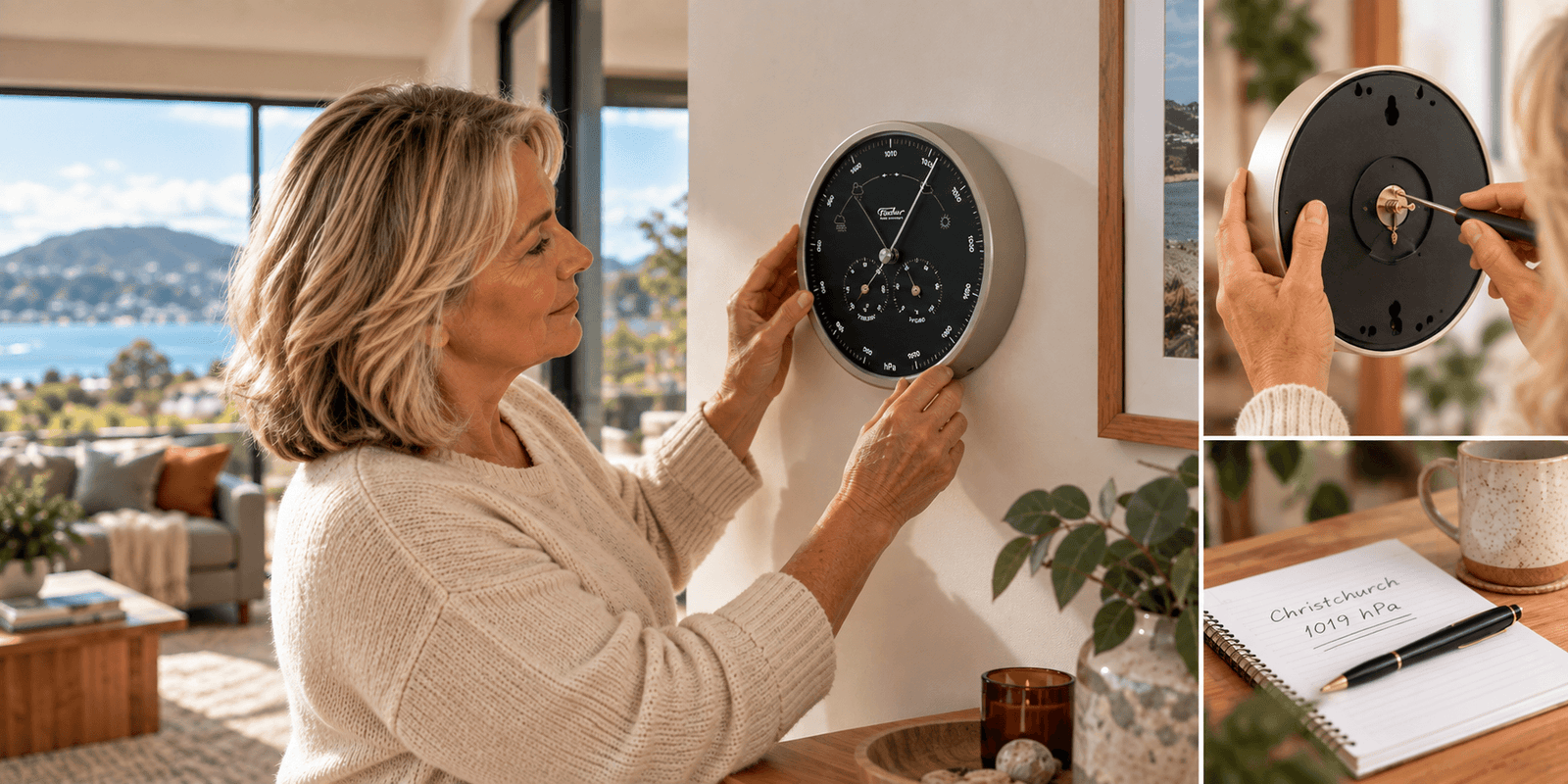
A proper analogue weather station usually combines:
- a barometer to show changes in atmospheric pressure
- a hygrometer to show humidity
- a thermometer to show temperature
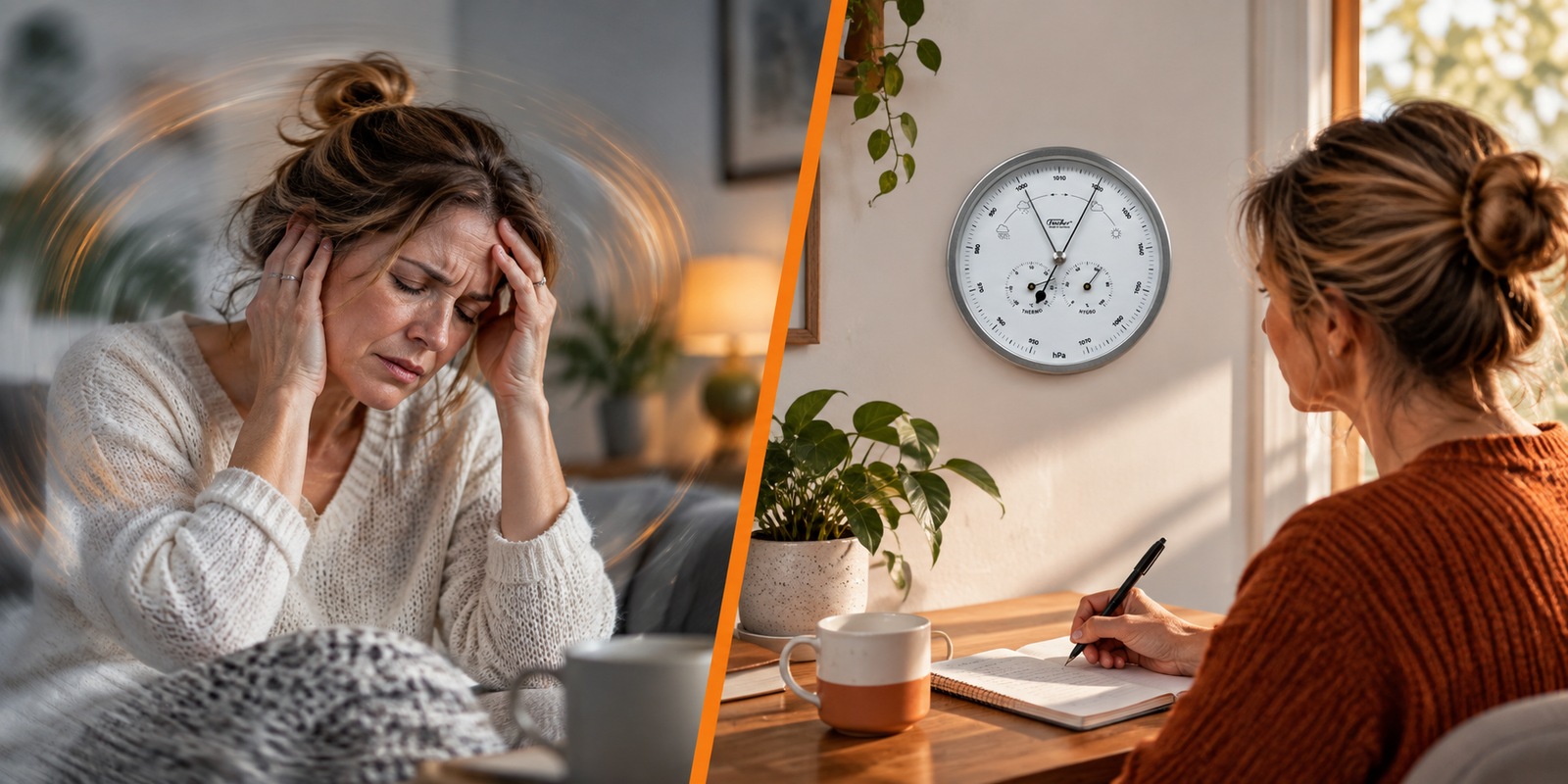
That gives you a more complete picture of your own local conditions — not just the forecast for Melbourne, but what is happening in your home.

Best Types of Hygrometers for Melbourne Homes
There is no single best hygrometer for every home. Choose the instrument based on where you want to use it.
For bedrooms and living areas
Choose a simple hygrometer or thermometer-hygrometer. These are ideal for rooms that feel damp, stuffy or slow to dry.
For wardrobes and storage spaces
A compact humidity gauge can help you see whether enclosed spaces are holding moisture. This is useful if clothing, linen, books or stored items are starting to smell musty.
For wine storage
Choose a wine cellar thermometer and hygrometer. Wine storage is not only about temperature. Humidity also matters, especially if bottles are being kept for longer periods.

For saunas
Choose a proper sauna thermometer and hygrometer. A sauna is not an ordinary room, so the instrument needs to suit heat and humidity.

Why Choose a Proper Analogue Hygrometer?
At Barometers & Clocks, we specialise in proper weather instruments — the kind you are happy to leave on display.
A quality analogue hygrometer is simple, clear and useful. It does not need an app, a phone signal or a bright plastic screen. It gives you the reading you need, where you need it, in a form that looks right in the home.
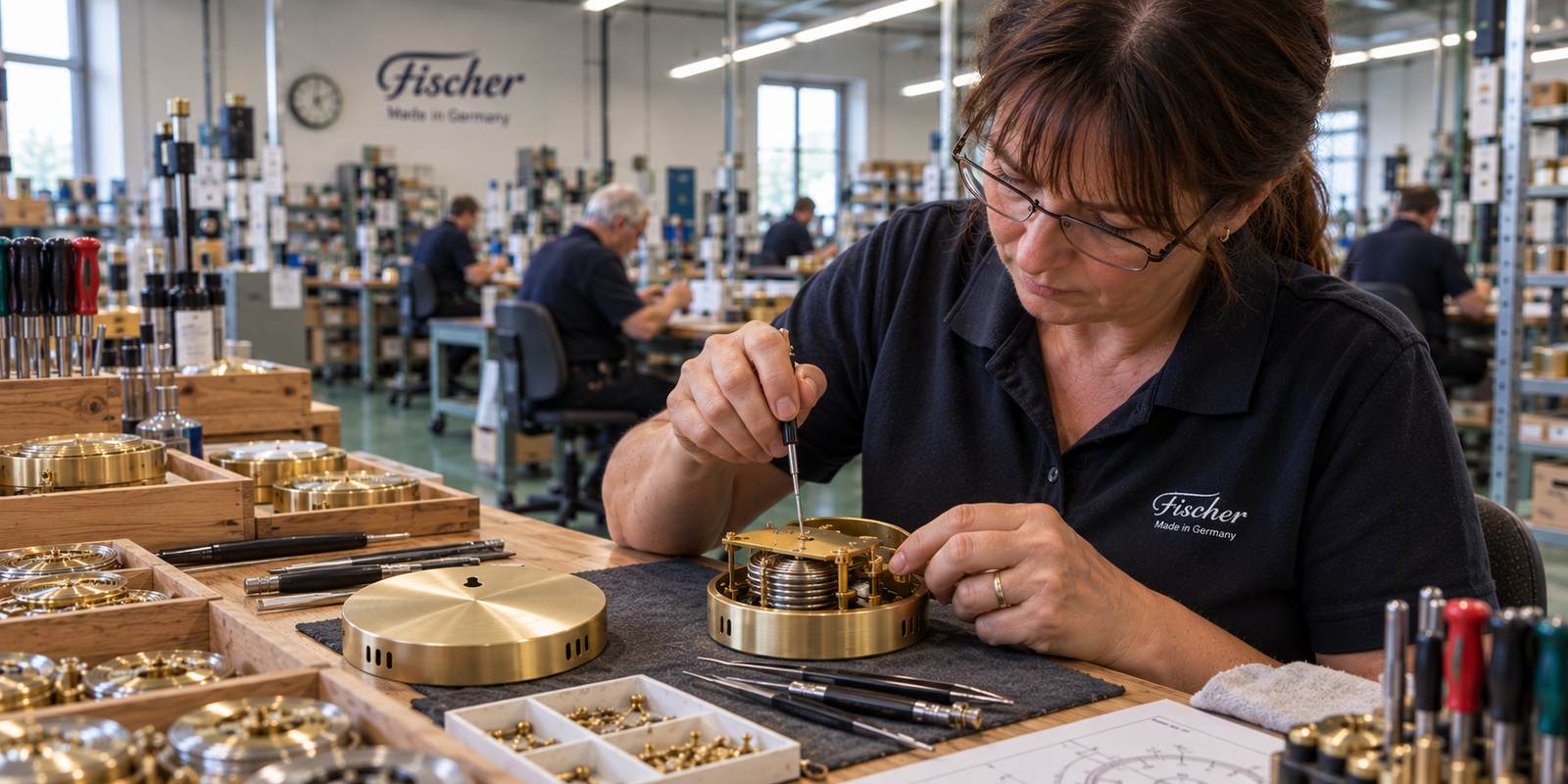
Fischer weather instruments are made in Germany and are a good choice for customers who value traditional craftsmanship, quality materials and clear analogue design.
A Fischer hygrometer or weather station is well suited to:
- Melbourne homes and apartments
- bedrooms, studies and living areas
- wine cellars and storage rooms
- saunas
- boats, beach houses and holiday homes
- housewarming, retirement, wedding and Father’s Day gifts
Shop Hygrometers for Melbourne Homes
Whether you are trying to understand damp bedrooms, condensation on windows, indoor drying, a wine cellar, a sauna or a weather-watching corner of the home, we have a range of hygrometers, thermometer-hygrometers and weather stations available online.
Thermometer + Hygrometer
Check temperature and humidity in one easy-to-read instrument.
Weather Stations
Measure humidity, temperature and barometric pressure together.
Fischer Instruments
German-made weather instruments for people who like things done properly.
Frequently Asked Questions About Melbourne Humidity Levels
Why does my Melbourne house feel damp?
Melbourne homes often feel damp because moisture builds up indoors from showers, cooking, drying washing inside, poor airflow, cold windows, closed-up rooms or building moisture issues. A hygrometer helps show whether humidity is actually too high.
What is a good indoor humidity level in Melbourne?
Many homes feel comfortable around 40–60% relative humidity. For moisture control, it is often better to keep indoor humidity below 60%, and closer to 30–50% where possible.
How do I measure humidity inside my home?
Use a hygrometer. A hygrometer measures relative humidity and shows it as a percentage. A thermometer-hygrometer also measures temperature, which gives you a clearer picture of the room.
Is a humidity gauge the same as a hygrometer?
Yes. In everyday language, humidity gauge, humidity meter and hygrometer are commonly used to describe the same type of instrument.
Can a hygrometer stop mould?
A hygrometer will not remove mould or moisture by itself, but it helps you see when humidity is getting too high. That gives you the chance to ventilate, dehumidify or investigate the source of moisture.
Should I buy a hygrometer or a weather station?
If you only want to measure humidity, choose a hygrometer. If you want temperature as well, choose a thermometer-hygrometer. If you want humidity, temperature and barometric pressure together, choose a weather station.



Leave a comment (all fields required)